
Page Loading...Please Wait
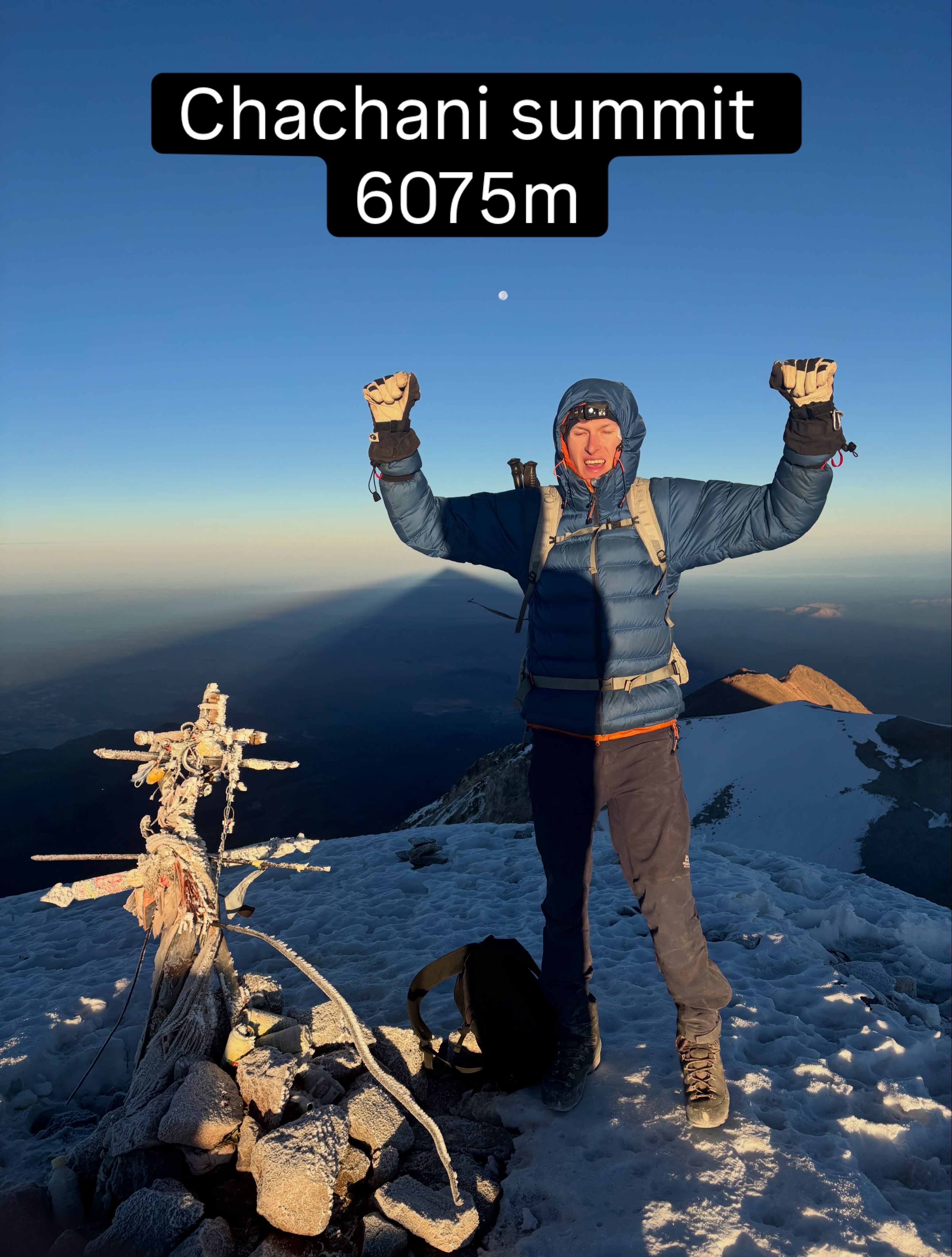

We're extrmely proud to present to you Fergus Cowley, our ambassador working together/researching at Anglia Ruskin Uniiversity for Para-Monte.
Travelling this summer to complete a Tour de Blanc as well as to Peru, we have an amazing account via his blog (see below) of his altitude awareness raising efforts with some important tips and interesting facts for travelling at altitude.
Para-Monteambassador Fergus Cowley, recently travelled to Peru where he spent 4weeks at high-altitude, representing Para-Monte and furthering his skills as a high-altitude mountaineer, researcher and mountain safety advocate.
Fergus’s goals for the trip were:
TripOverview:
Pre-DeparturePreparations
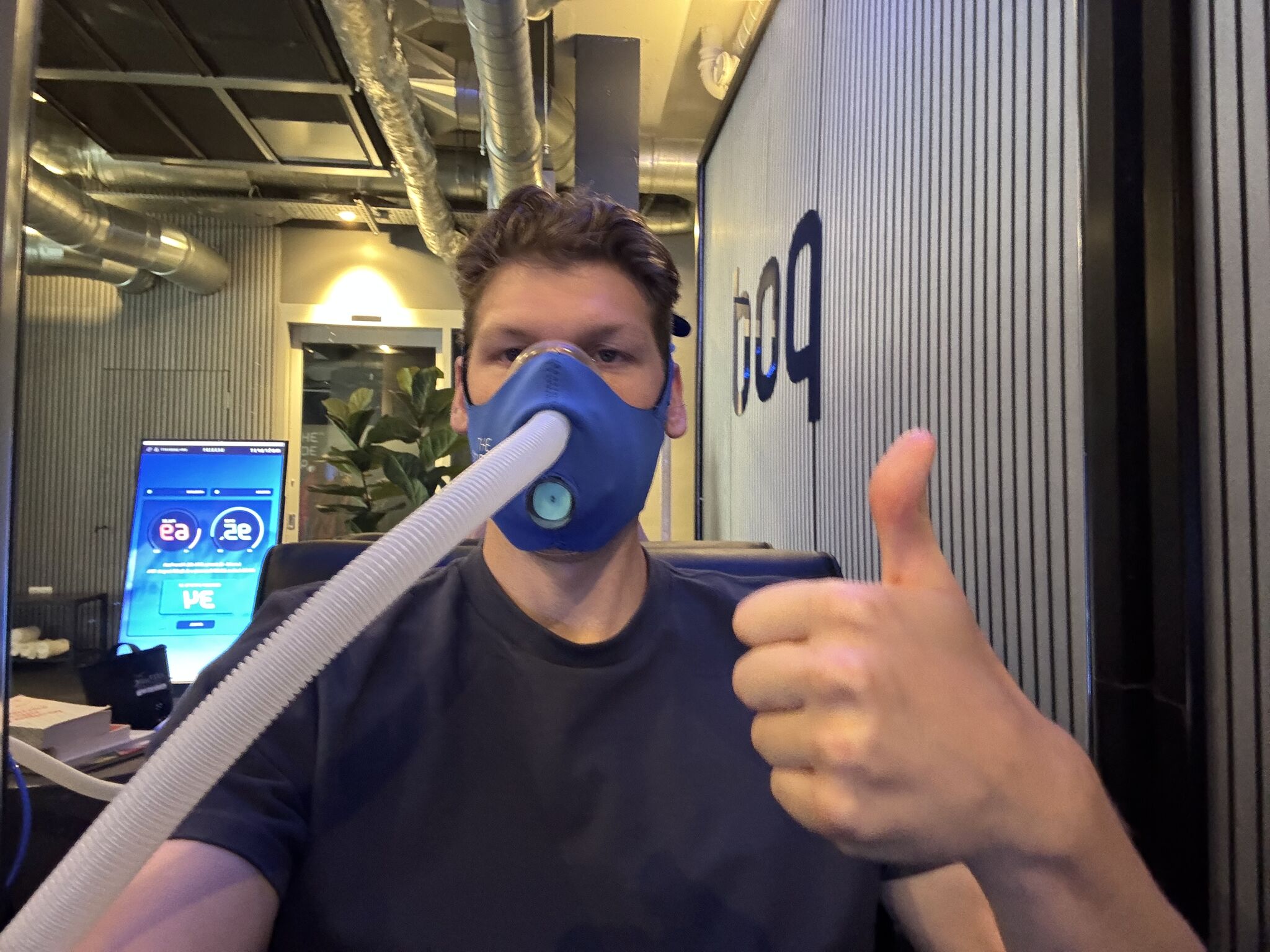
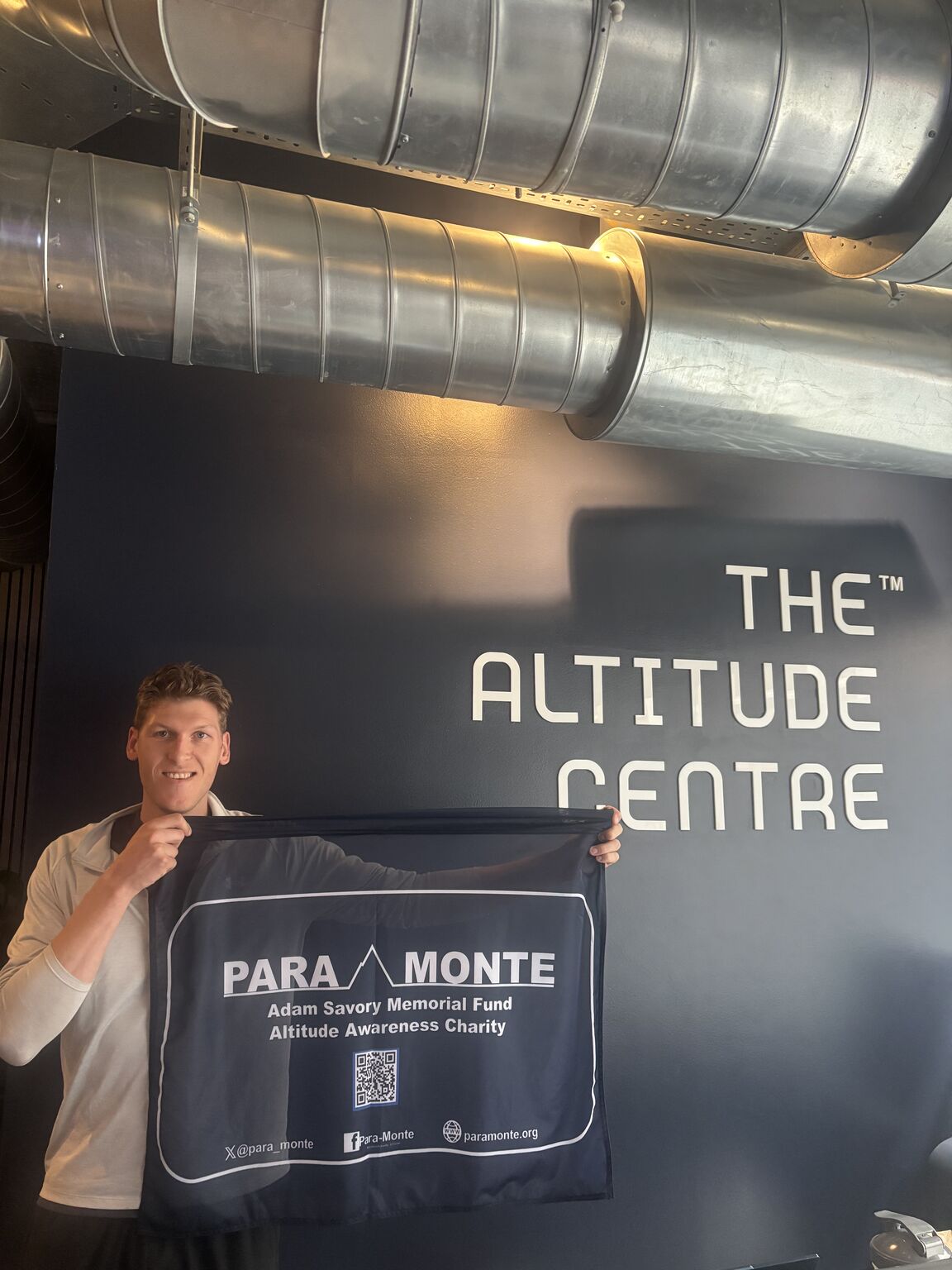
Beforeleaving for Peru, I made the sensible decision to visit James Barberat the Altitude Centre in London, where they provide altitudeeducation, training, and pre-acclimatisation to individualstravelling to high altitude. During my visit, the fantastic staffthere were able to test my body’s response to hypoxia, providerecommendations on acclimatisation and allow me to take part in analtitude training session to kickstart the acclimatisation process aswell as give me confidence for the trip ahead. I strongly recommendvisiting the altitude centre before any trip to high altitude tospeak with specialist and experienced staff.
PeruWeek 1-2: Hiking and Trekking
Myfirst destination was the mountain town of Huaraz at an altitude at3,000 m. As this altitude was well above the minimum height for AMS,I spent the first 2 days relaxing and exploring the town, beingcareful not to overexert myself and keeping an eye out for any signof Acute Mountain Sickness symptoms.
Followinga few days, I went on a short acclimatisation hike up to 3,700 m, andas this went well without AMS symptoms, I decided it was safe toprogress higher. The next few days were spent enjoying hikes between4,000-4,500 m high, with breathtaking views of snowy peaks andcrystal-clear glacial lakes. During this time, I encountered manyhikers with mild AMS, most of whom had pushed too high, too fast –typical risk factors for AMS. This was likely due a complete lack ofacclimatisation knowledge or tight travel schedules that forced rapidascents, thus reinforcing the need for pre-travel altitude education.
Aftera week of hiking, I signed up to the famous Santa Cruz trek, afour-day adventure through some of the most dramatic scenery in Peru.I found myself in a group of 10 international trekkers, a local guideand a cook. This gave me a perfect opportunity to focus the group onthe subject of altitude and get a better understanding of what thetypical backpacker does and does not know, about altitude safety. Onday three however, there was a dramatic turn of events, aftersleeping at 4,200 m I awoke feeling very unwell with AMS symptoms. AsI was well acclimatized, it was difficult to determine if I wasexperiencing altitude sickness or an infection, such as foodpoisoning or a virus. Sensibly, I assumed it was altitude sicknessand descended, aware that if I didn’t it could be disastrous. Thefollowing day the trek finished and we returned to Huaraz at 3,000 m,where the symptoms persisted for another 48 hours, and sounfortunately what felt like AMS, was more of a sickness bug.
Aninteresting observation during the trek was that several members ofthe group were reluctant to admit they had AMS symptoms or that theywere struggling. This was particularly prevalent among the malemembers of the group and made me consider whether a fear of appearingweak or unfit might still be a barrier to catching AMS early amongbackpackers in South America. This is a further reason why it’s soimportant for the charity and fellow hikers to advocate for safetyand prior understanding of the risks and dangers to travelling ataltitude.
PeruWeek 3-4: Climbing 5,000 m and 6,000 m Peaks
After2 weeks in Peru, I was acclimatised enough to begin tackling some5,000 m peaks. I started by climbing Mateo peak at 5,150 m, a one dayclimb that only takes ~8 hours to complete, yet, despite the steepterrain I coped with the altitude well, with no AMS symptoms to speakof. The views from the top were breathtaking and I took theopportunity to get a great picture with the Para-Monte flag.Following the success of the climb, I opted to take on a much biggermountain and signed up to climb Vallunarajuat 5,686 m. This began with a short, tough hike to basecamp (4,900 m)just below the snow line. At this height, I felt the extreme effectsof altitude on sleep quality and overall health. I slept in 20 minbouts endlessly waking in the night gasping for air – anunfortunate and typical symptom of high-altitude exposure. Despitethis, I woke at 12.45 am with no AMS symptoms and felt ready to takeon the summit. Headtorches on, we began our winding journey up theglacier. As we approached the summit, the terrain grew morechallenging with a steepening incline. Before tackling the summitridge we took a break, only to realise our water bottles were frozensolid – a key reminder of the elevation profile and extremeconditions of not just the altitude exposure, but cold stress too. In the knowledge that sunrise was minutes away, we struggled on,gulping down air and aching for the sun to thaw our bodies and waterbottles. Summit reached, we cheered and celebrated as we watched themost magnificent sunrise. Although I was desperately out of breath, Idid not experience any symptoms of AMS, so we opted to enjoy thesummit and sunshine before descending to the valley to rest.
SinceI had dealt with the altitude well and felt acclimatised to thehigher conditions, I decided to try a 6,000 m peak as my finalobjective of the trip. I traveled to Arequipa at 2,335 m, home of thegreat volcanoes of Peru. Here you can find Chachani 6,057 m, oftentouted as the “easiest6,000 m peak in the World”.After arriving I signed up to an expedition to climb it and we setoff in 4x4’s which took us up to 5,000 m, where the 2-day climbbegins. A short hike led us to the basecamp at 5,250 m, where we setup camp and had a group dinner. It was not long before some membersof the group began to show signs of altitude sickness, many struggledto eat their dinner - displaying the classic AMS symptom of loss ofappetite. Following dinner, the guides gave an excellent briefingabout altitude sickness and how we were unlikely to sleep well thatnight, they helped the group to understand that poor sleep was normaland not to worry, they explained that if anybody gets altitudesickness they can be taken down. This was excellent, as it removedthe worry and expectation over sleeping at such a high elevation,which would only make matters worse and provided the guarantee thatdescent was possible for anybody that needed too, a welcomereassurance for those in the group who were already feeling unwell.
Wewoke at 12.30 am for breakfast, 4 of the 14 members of the group hadaltitude sickness, and it was decided they would not attempt theclimb – a very sensible and informed-decision. We set off at 1 amand slowly but surely snaked our way up the mountain. At 5,800 m thecold began to be a real problem again with people struggling to keephands and feet warm. Knowing the sunrise was our only salvation wepushed on. At 6,000 m, I began to struggle with altitude, I had noAMS symptoms, but I was finding it difficult to catch my breath. Onlymetres below the summit, I had to stop and spend several minutescatching my breath. After 10 minutes my body settled and I tackledthe final incline. At 6.28 am I reached the summit, almost too tiredto celebrate, I embraced the other team members and took in theremarkable view. Immensely proud of my achievement and pushed to mylimit, we descended the mountain to get some well-earned rest.
WhatI Learned:
TopTips for Traveling to Peru:
Howto Prepare:
Whatto Bring:
The website is dedicated to Adam our son and brother, a fit healthy 25 year old young man, who lost his life to Altitude Sickness whilst travelling in Peru.
Adam’s loss should not be in vain (read his story) and we feel extremely passionate to spread the word about Altitude Illnesses globally, to ensure that people become more aware of the risks and dangers at altitude.
Wishing you a safe onward journey.
Emma, Chris and Jeannet Savory

Sir Ranulph Fiennes served in the British Army for eight years, including a period on counter-insurgency service while attached to the Army of the Sultanate of Oman.
He later undertook numerous expeditions and was the first person to visit both the North and South Poles by surface means and the first to completely cross Antarctica on foot.
In May 2009, at the age of 65, he climbed to the summit of Mount Everest.


