
Page Loading...Please Wait
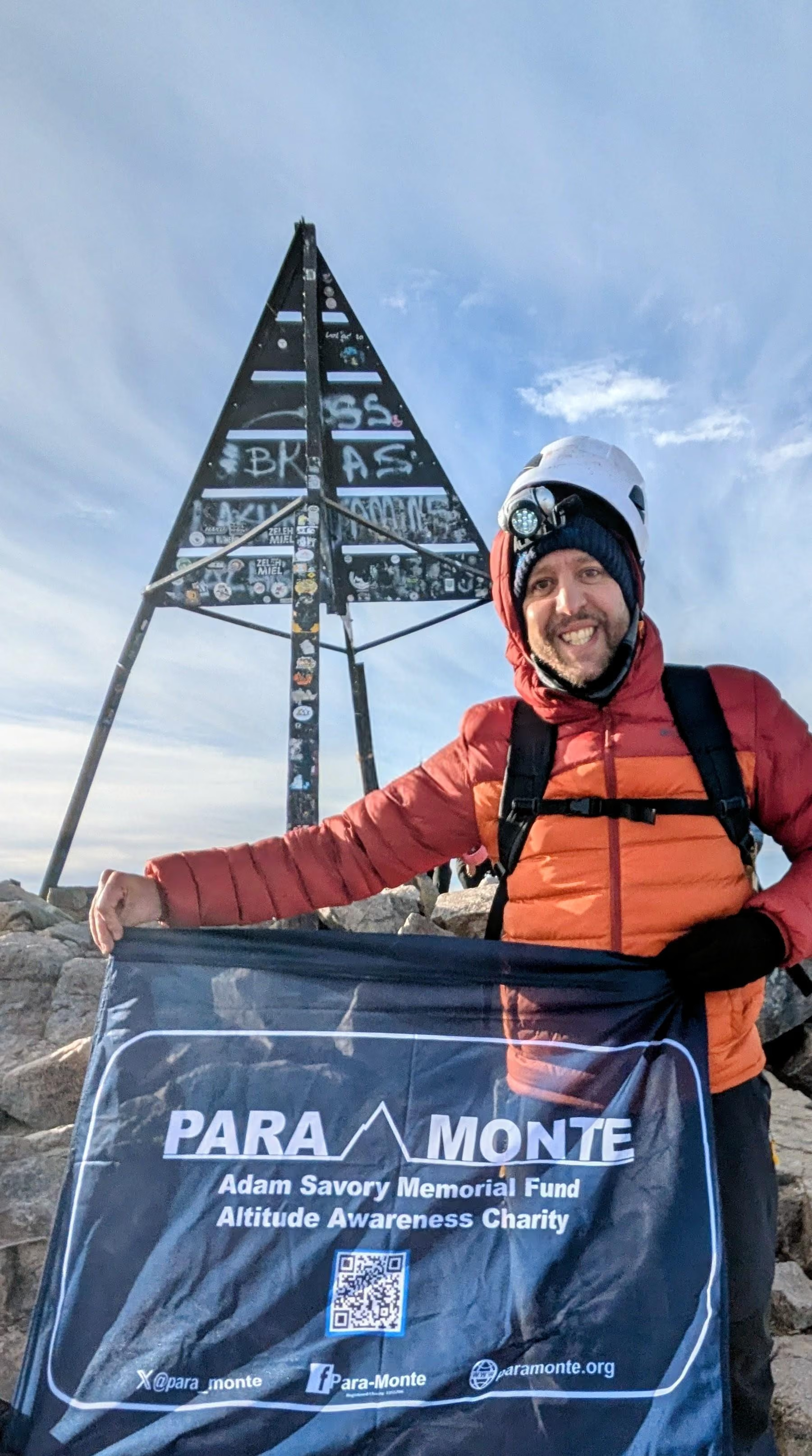
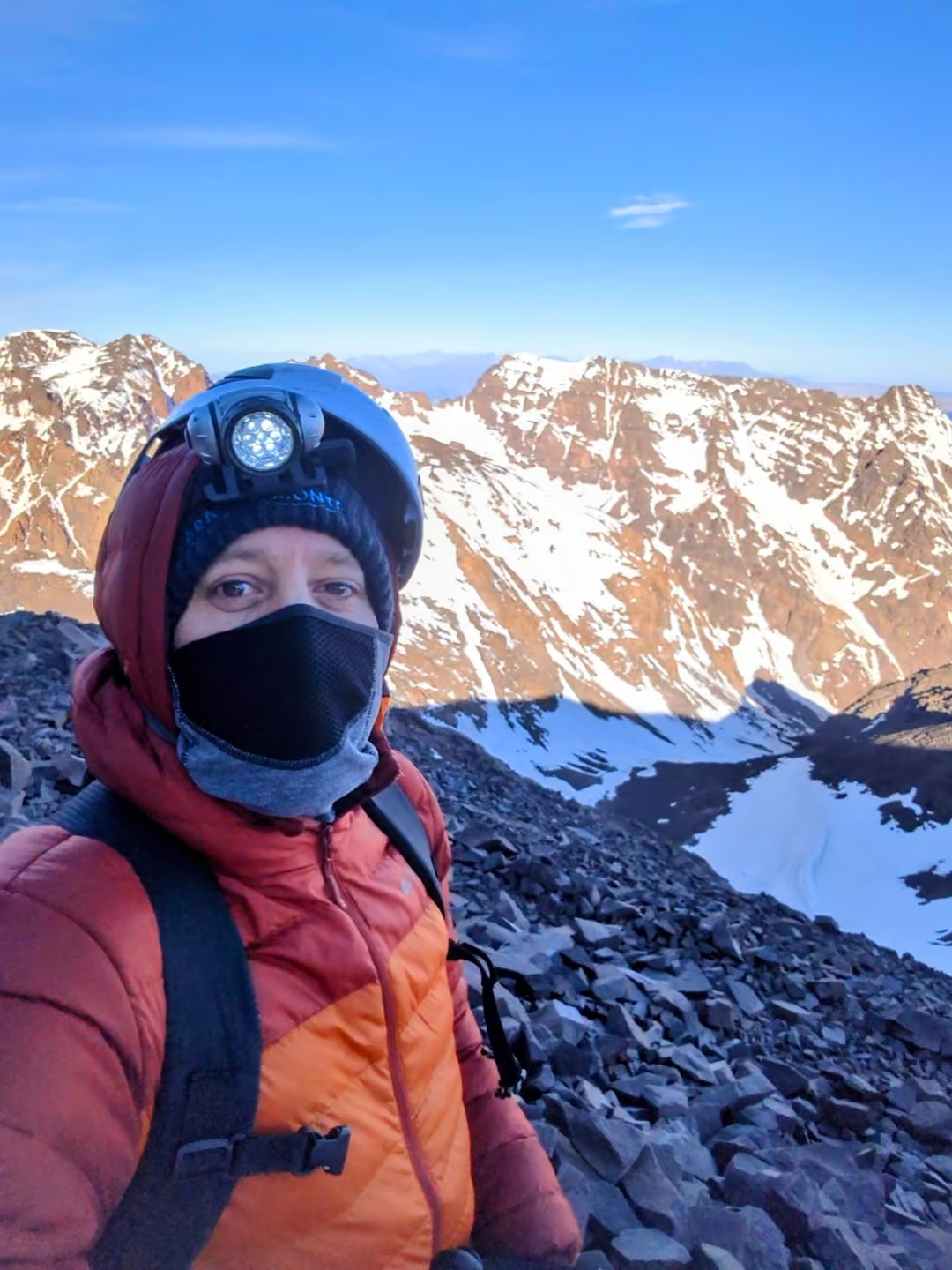
Para-Monte trustee, Dr Ash Willmott, summits Mt Toubkal – 4,167 m, in the Atlas Mountains, Morocco.
Ash flew the flag for Para-Monte during his three‑day trip up the highest mountain in North Africa and provides an overview of the trip, some reflections and top tips for hikers considering similar adventures.
Firstly, there are many travel and tour companies, websites, and package options available, ranging from 2–4 day hikes and private to group packages, with prices from £150–700 per person. It’s worth doing your research and planning ahead to choose an option that suits your needs, budget, and time frame. We chose the three‑day, two‑night group option, with 16 hikers in the group and 3 guides.
Day 1: After an early pick‑up in Marrakech and a ~90‑minute drive towards the High Atlas Mountains, we arrived in Imlil (~1,800 m) for a trek briefing and a hot (~28–30°C) 10 km acclimatisation hike (~2,600 m) around the surrounding villages and Imlil Valley. This took ~3–4 hours, followed by a local evening meal and a night in a shared dorm in a guest house.
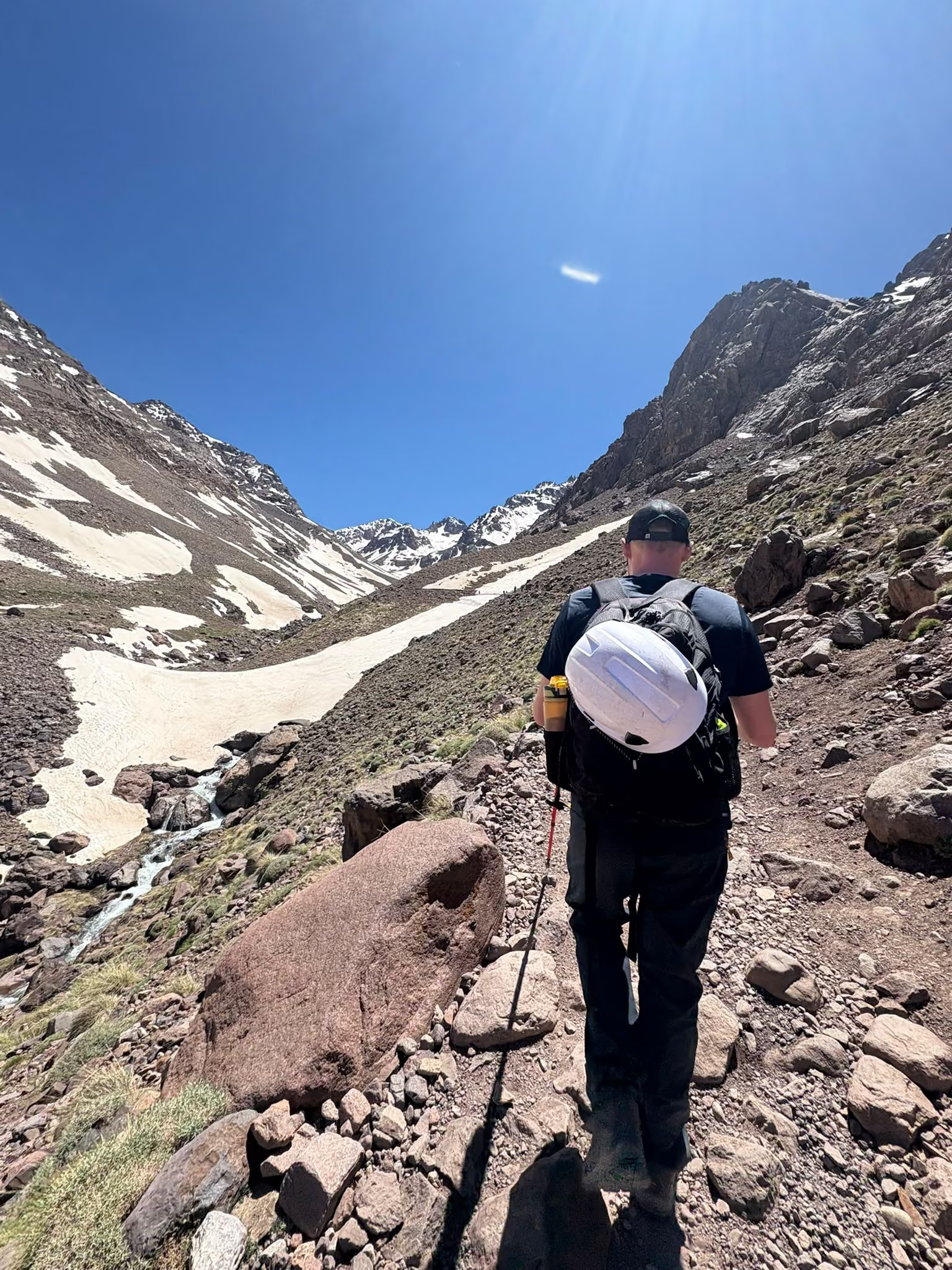
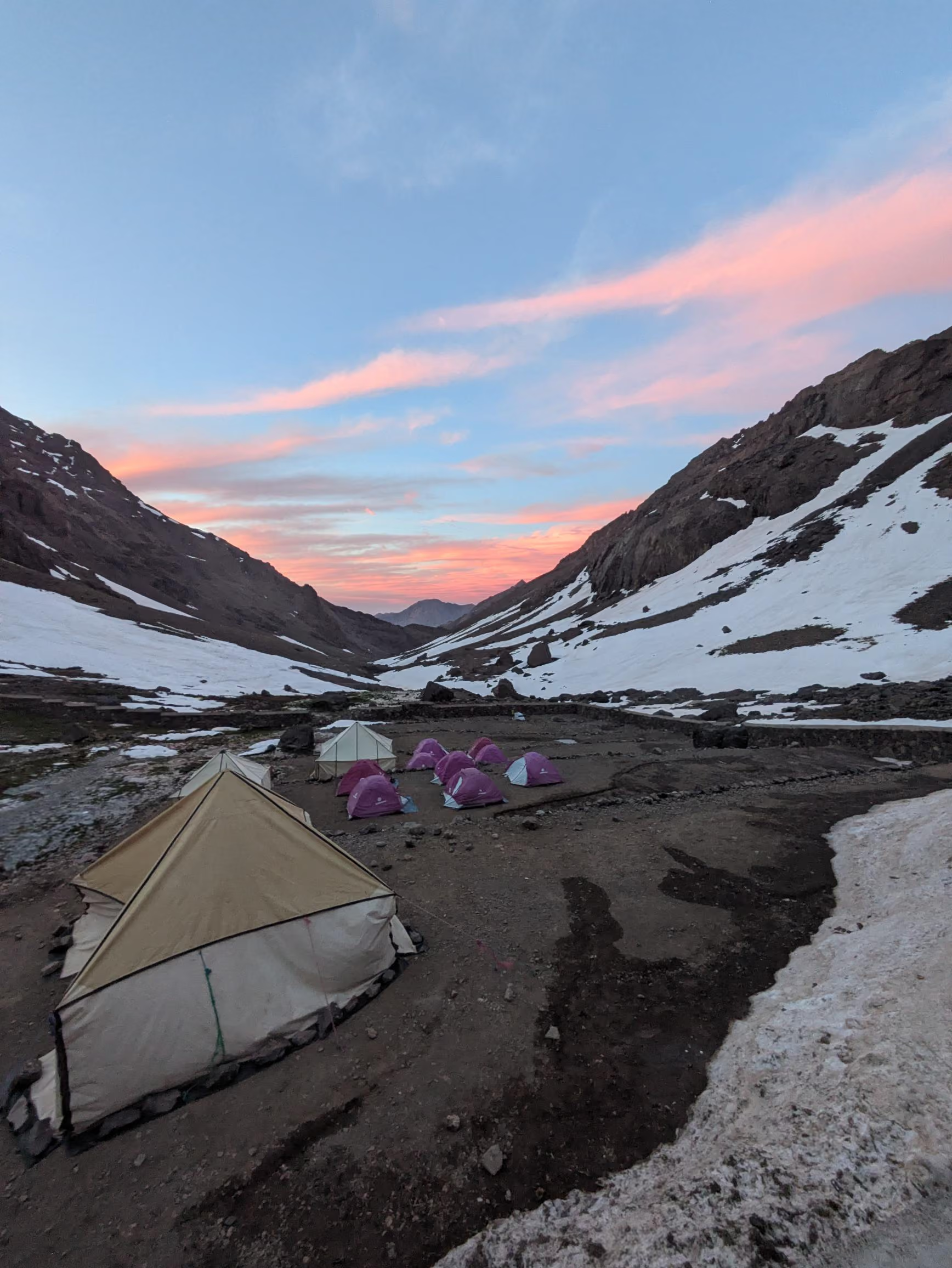
Day 2: Setting off from the valley of Aït Mizane, we passed the Toubkal National Park sign, followed the cold flowing river, and continued towards the village of Aroumd, then onto the sanctuary of Sidi Chamarouch before stopping at the nearby waterfall for lunch. We then continued on the steep, winding paths, passing local mules and pop‑up shops selling snacks and drinks. The landscape gradually became more rugged and snowy as we approached the Toubkal Refuge (3,207 m), where we spent the night in a >20‑person dorm packed in like sardines. This day of the trek took ~5 hours, covering >11 km with ~1,200 m of elevation gain – so it’s a fairly uphill challenge and one that needs training for. Temperatures started warm (~20–25°C) but dropped as we ascended, with windy conditions at times – so packing appropriately with good clothing and snacks/drinks is fundamental.
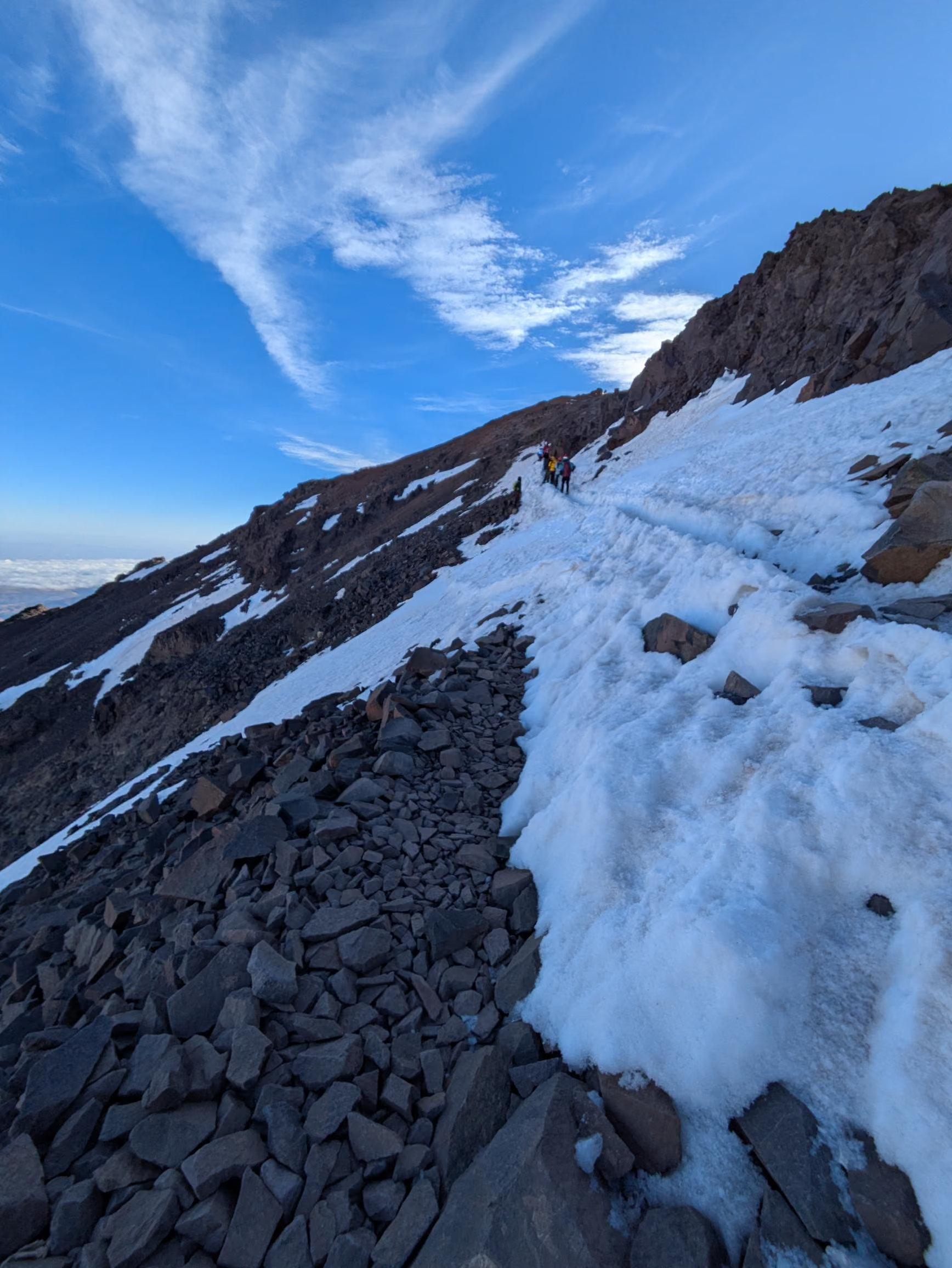
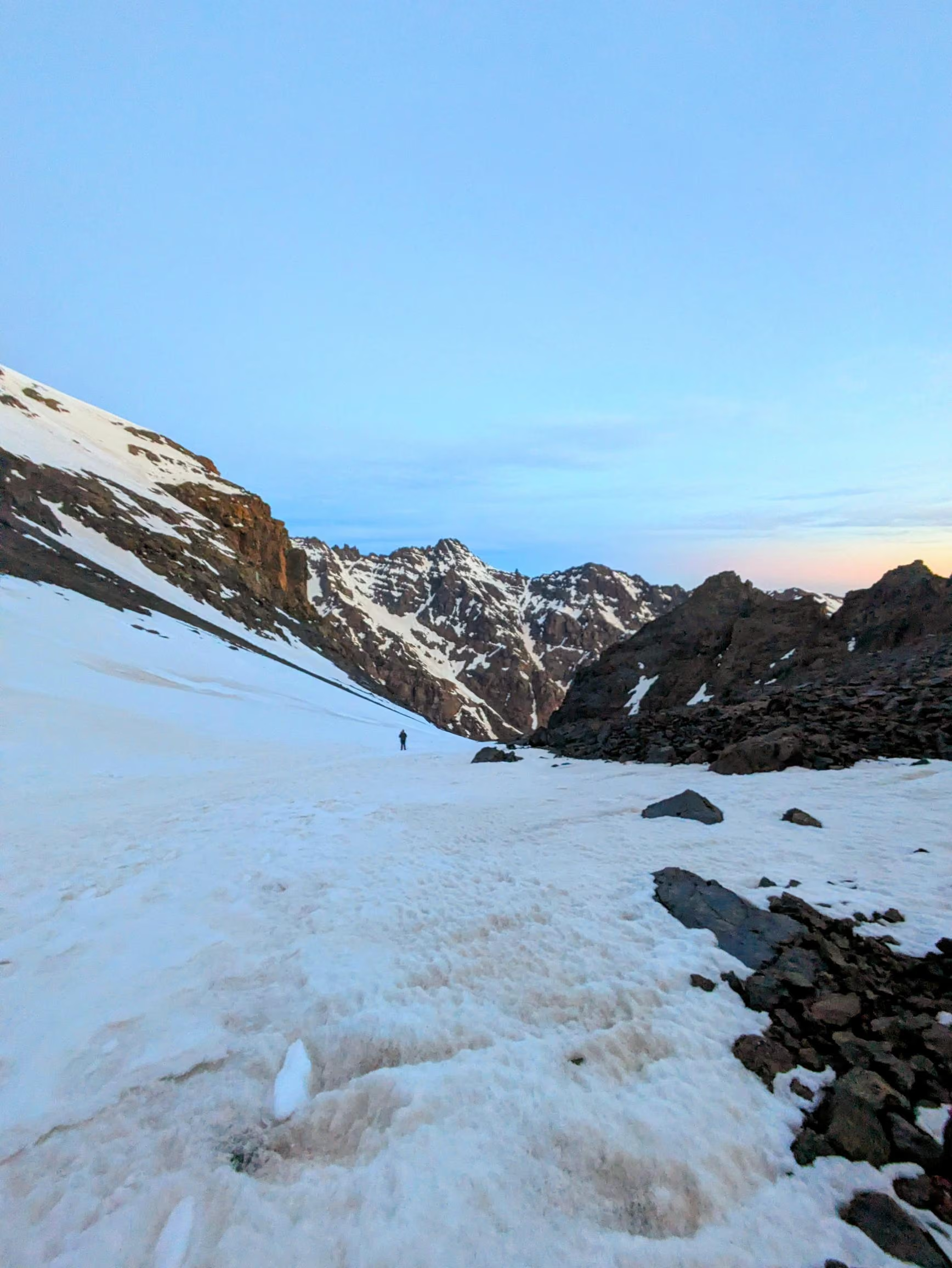
Day 3: After a fairly sleepless night (thanks to snoring, rustling, and coughing), the alarm went off at 2:30 am. After breakfast at 3 am, and a nice high‑altitude nosebleed to start the day, we strapped on our crampons, grabbed our helmets, and switched on our head torches to begin the ascent at ~4 am. The first ~2 hours were in complete darkness, following only head torches along a winding and uphill snow‑ and ice‑covered path, with short breaks as we continued to climb. As the sun rose, we stopped briefly for photos, before continuing into the icy conditions. This section took ~3 hours of hard, uphill walking (especially on the calves) in the snow, battling strong headwinds that tested balance and durability. We eventually reached a rocky area for another short break (note - guides tend to push the pace, which can feel rushed). We then continued for ~2 more hours along rocky paths and narrow snowy edges check out the photos below) before finally reaching the summit. After the obligatory photos and flying the Para-Monte flag, the ~3‑hour descent followed the same route. Back at the refuge, we changed quickly, took on snacks and fluids, and then continued down to the village of Aroumd for a much‑needed lunch (~2 hours), before descending further to Imlil (~2 more hours) and returning to Marrakech. In total, it was ~12 hours of hiking from waking up at the refuge, summitting and then returning to Imlil, so a good level of fitness is essential.
Fortunately, we didn’t experience acute mountain sickness (AMS), but several other hikers clearly struggled with the physical challenge and the rapid ascent to high altitude. Therefore, it’s important that anyone considering this trek is aware of AMS, especially as the booking companies and guides we came across rarely mention or explain it – something we’re aiming to challenge and change.
Top Tips:
Following this outstanding challenge, we provide some of our top tips and learning experiences that may hopefully help others who are considering or preparing for similar treks and challenges.
What We Learnt:
How to Prepare:
What We Recommend:
Much thanks goes to Ash for his amazing climb flying our Para-Monte flag as well as gathering all the information and tips to help prepare future climbers.
Supporting one of our visions : 'Prepare and Be aware'
We're so proud of Ash, 'Living the Years' for/with Adam.
The website is dedicated to Adam our son and brother, a fit healthy 25 year old young man, who lost his life to Altitude Sickness whilst travelling in Peru.
Adam’s loss should not be in vain (read his story) and we feel extremely passionate to spread the word about Altitude Illnesses globally, to ensure that people become more aware of the risks and dangers at altitude.
Wishing you a safe onward journey.
Emma, Chris and Jeannet Savory

Sir Ranulph Fiennes served in the British Army for eight years, including a period on counter-insurgency service while attached to the Army of the Sultanate of Oman.
He later undertook numerous expeditions and was the first person to visit both the North and South Poles by surface means and the first to completely cross Antarctica on foot.
In May 2009, at the age of 65, he climbed to the summit of Mount Everest.


